Business Registration in Alberta: Legal Steps Guide
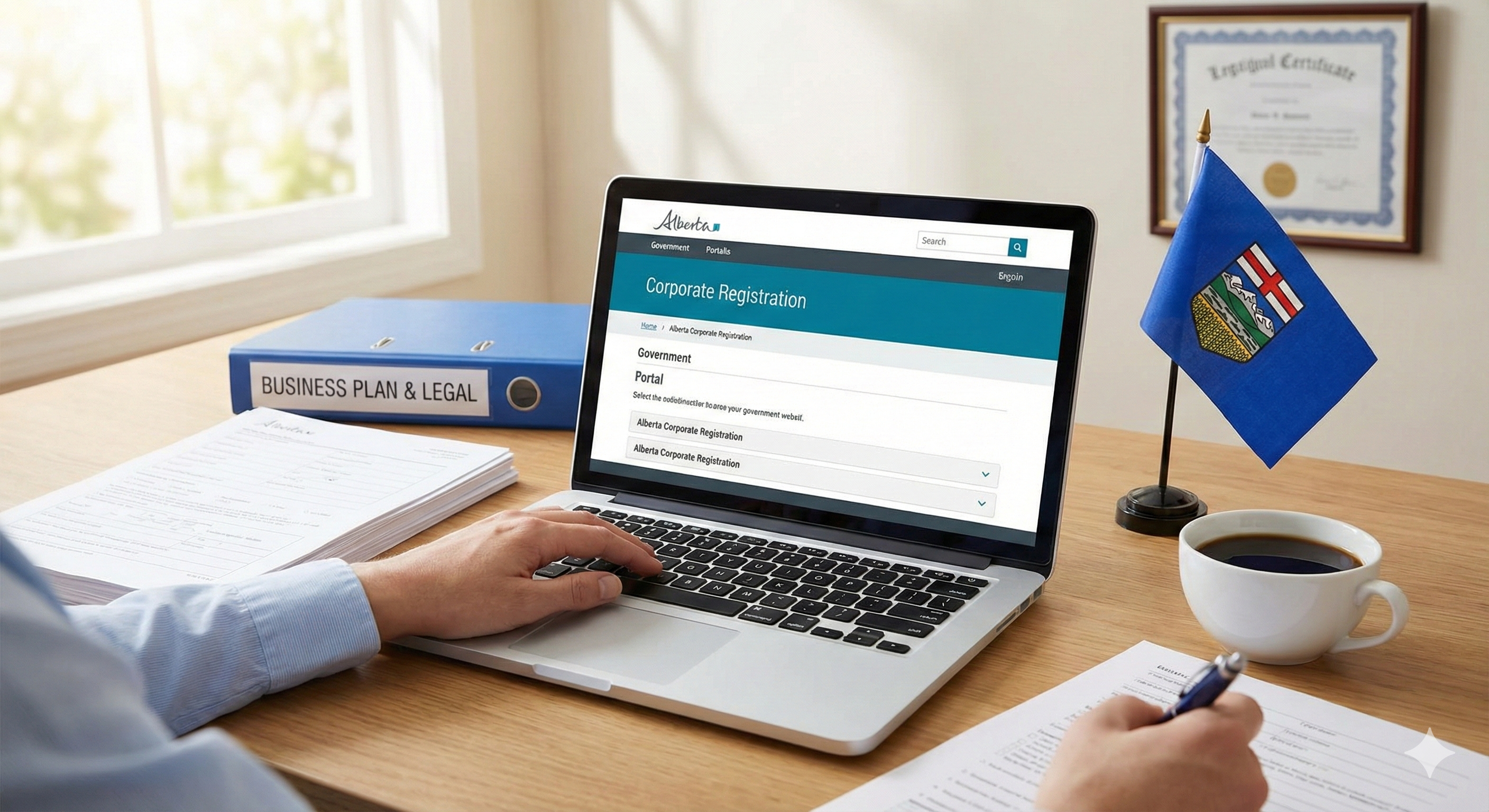
Starting a business in Alberta is exciting, but rushing through registration without understanding the legal structure can create problems that follow you for years.
Many owners focus on launching quickly and overlook key decisions about liability, taxes, governance, and compliance. Choosing the wrong structure or skipping legal steps can lead to personal exposure, disputes, and unnecessary costs later.
The corporate team at Libra Law regularly helps entrepreneurs and growing companies set up their businesses properly from day one. Taking the time to structure your business correctly can save significant time, money, and stress.
Choosing the Right Business Structure
Before registering, you must decide how your business will operate legally.
Common options include:
- sole proprietorship
- partnership
- corporation
- professional corporation
Each structure affects liability, taxes, ownership, and administrative requirements.
For example, sole proprietors have full personal responsibility for debts, while corporations create a separate legal entity that can offer liability protection.
If you plan to grow, bring in partners, or take on risk, incorporation may be the better option. You can explore these considerations through business law services in Alberta.
Sole Proprietorships and Partnerships
These structures are simpler and less expensive to start.
They may work well for small or low-risk businesses. However, they come with an important trade-off: there is no separation between personal and business liability.
If the business is sued or owes money, your personal assets may be at risk.
Partnerships also create shared liability, meaning you may be responsible for your partner’s actions or debts.
Understanding these risks before registering is critical.
Incorporating a Corporation
Incorporation creates a separate legal entity distinct from its owners.
Benefits may include:
- limited liability protection
- tax planning flexibility
- easier ownership transfers
- improved credibility with lenders and investors
However, incorporation also comes with additional responsibilities such as record keeping, annual filings, and director duties.
Many business owners mistakenly believe incorporation automatically protects them in all situations. Directors can still face personal exposure in certain cases. To better understand these obligations, review directors’ duties and personal liability in Alberta.
Registering Your Business Name
If you operate under a name different from your personal or corporate name, you typically must register that trade name.
Choosing a name without checking availability or legal conflicts can lead to disputes or forced rebranding later.
Before committing, you should:
- conduct proper name searches
- confirm availability
- ensure compliance with regulations
- consider trademark protection
Fixing name issues after launch can be costly and disruptive.
Licences, Permits, and Compliance
Depending on your industry and location, you may also need:
- municipal business licences
- professional or regulatory approvals
- zoning compliance
- industry-specific permits
Operating without proper approvals can result in fines or forced shutdowns.
Identifying these requirements early helps avoid delays and enforcement issues.
Setting Up Proper Agreements
Many businesses begin informally without written agreements. This often leads to disputes later.
Important documents may include:
- shareholder or partnership agreements
- employment agreements
- contractor agreements
- confidentiality terms
- policies and procedures
Without clear contracts, misunderstandings can turn into legal conflicts.
If you will have employees, proper contracts are especially important. You can learn more through employment law services in Alberta.
Keeping Corporate Records Current
After registration, ongoing compliance matters.
Corporations must maintain:
- minute books
- resolutions
- share records
- annual filings
- accurate financial documentation
Incomplete or outdated records can create problems during financing, audits, or business sales.
Maintaining proper documentation is critical, as explained in the importance of corporate records in Alberta.
Common Registration Mistakes to Avoid
New business owners often:
- choose the wrong structure without advice
- skip written agreements
- fail to register names properly
- overlook licences
- neglect corporate records
- mix personal and business finances
These small oversights can lead to significant legal and financial consequences later.
Addressing these issues early is far easier than fixing them after problems arise.
Start Your Business on the Right Foot
Business registration is more than paperwork. It is the foundation for how your company operates, grows, and manages risk.
Setting things up properly from the beginning provides clarity, protection, and flexibility as your business evolves.
If you are starting a business or restructuring an existing one, you can reach out through the contact page to discuss your next steps with confidence.
This article is for general informational purposes only and does not constitute legal advice. For advice specific to your situation, consult a qualified professional.
